




Blog
Matcha vs Coffee: Which Is Better for Energy and Focus?
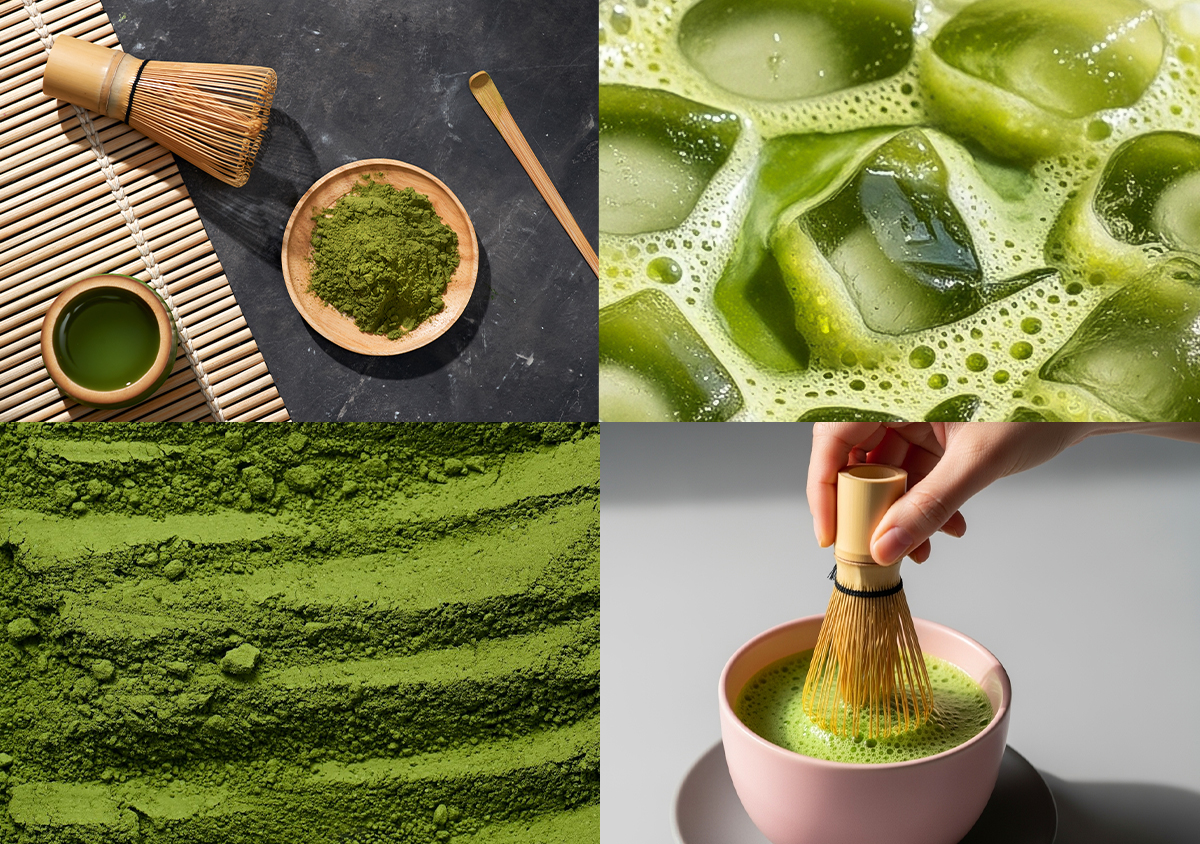
Coffee has been the classic morning drink for decades, but more people in Egypt are switching to matcha. So which is better? Here is an honest matcha vs coffee comparison.
Caffeine
A cup of brewed coffee has about 80–120 mg of caffeine. A serving of matcha has about 35–70 mg. Matcha gives you a moderate dose that is easier on your body.
Type of energy
Coffee hits fast and drops fast. Matcha contains L-theanine, an amino acid that slows caffeine release and promotes calm alertness – so you get 3–6 hours of steady focus without the crash.
Jitters and anxiety
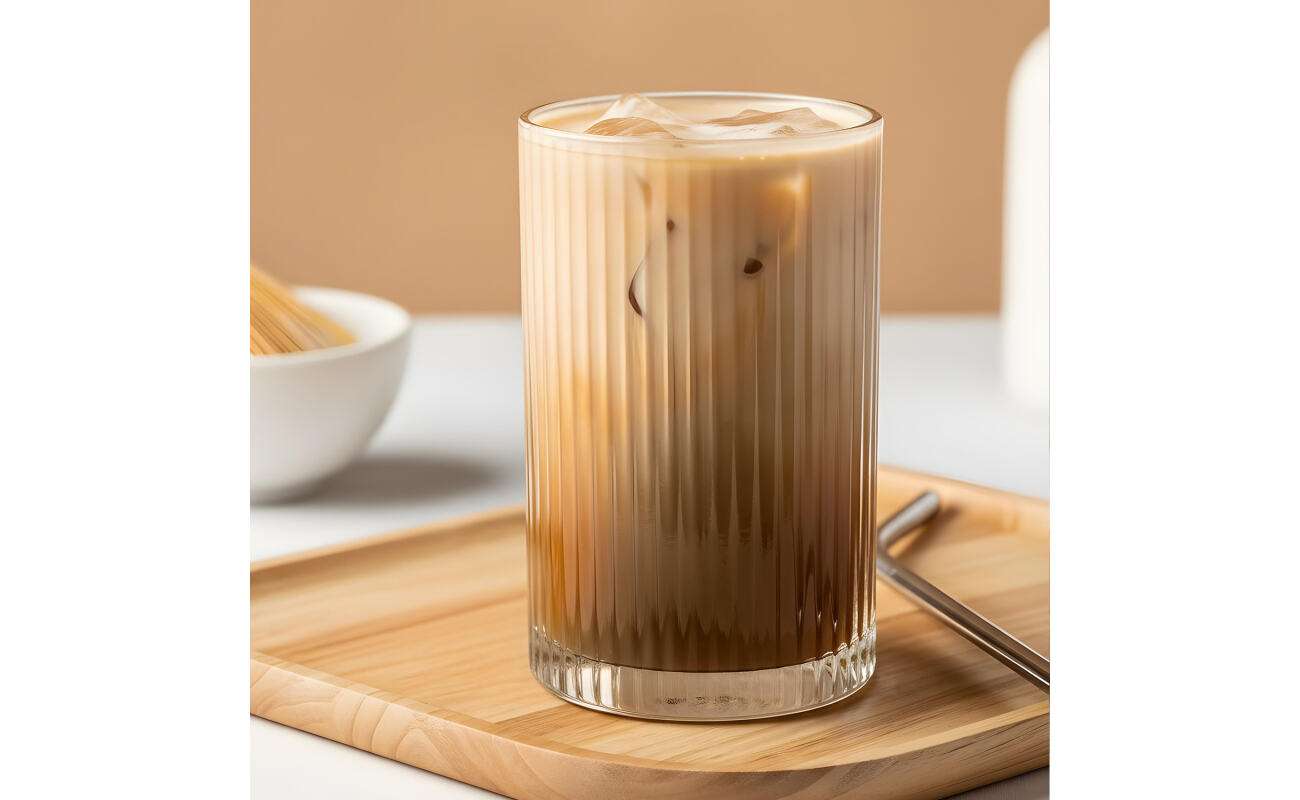
If coffee makes you shaky or anxious, matcha is often a better choice because L-theanine balances the stimulating effect of caffeine.
Health benefits
- Matcha: very high in antioxidants (catechins/EGCG) because you consume the whole leaf.
- Coffee: also contains antioxidants, but is more acidic and can bother sensitive stomachs.
Taste and variety
Coffee is bold and bitter. Matcha is fresh, creamy and slightly sweet – and with flavors like vanilla, salted caramel or strawberry, it is easy to fall in love with.
The verdict
If you want calm, long-lasting energy, fewer jitters and more antioxidants, matcha wins. Many people keep both: coffee occasionally, matcha as the daily ritual. Before training, try pre-workout matcha.
Ready to switch? Explore our matcha collection.
FAQ
Can matcha replace coffee?
Yes. Many people replace their morning coffee with a matcha latte and feel more focused with less crash.
Is matcha better for the stomach than coffee?
Matcha is generally less acidic, so many people with sensitive stomachs tolerate it better.


